HOME » Page 2

Blog

  • What is the future of email marketing?

    What is the future of email marketing?

    The future of email marketing is dynamic and will be shaped by several key trends in 2025 and beyond. Here’s a breakdown of what you can expect:

    Key Trends Shaping the Future of Email Marketing:

    • Hyper-Personalization: Moving beyond basic personalization like using a recipient’s name, the future will see a deeper level of individualization. AI and advanced data analytics will enable marketers to tailor email content, product recommendations, offers, and even sending times based on past behavior, preferences, purchase history, and real-time context. This creates a feeling that emails are crafted specifically for each recipient.
      • Example: An e-commerce store might send an email featuring products a customer recently viewed on their website, along with a special discount on those items.
    • Artificial Intelligence (AI) Integration: AI is becoming a powerful force in email marketing, assisting with various tasks to improve efficiency and effectiveness.
      • Content Creation: AI tools can generate compelling subject lines, email body copy, and calls to action, freeing up marketers for strategic tasks. They can also help brainstorm ideas and create variations for A/B testing.
      • Segmentation: AI can analyze large datasets to identify patterns and create more sophisticated audience segments based on behavior, engagement levels, and predicted future actions.
      • Send-Time Optimization: AI algorithms can determine the optimal time to send emails to individual recipients based on their past engagement, increasing open and click-through rates.
      • Predictive Analytics: AI can analyze historical data to forecast campaign performance, identify trends, and provide insights for better decision-making.
      • Deliverability: AI can help ensure emails land in the inbox by analyzing content, sender reputation, and engagement metrics to suggest improvements.
    • Interactive Email Content: Static emails are becoming less engaging. The future will see more interactive elements embedded directly within emails, such as:
      • Polls and Surveys: To gather feedback and increase engagement.
      • Quizzes and Games: To entertain and collect data.
      • Image Carousels and Animated Galleries: To showcase products dynamically.
      • Clickable Hotspots: To provide more information within the email.
    • Enhanced Data Privacy and Security: With increasing concerns about data privacy and regulations like GDPR and CCPA, the future of email marketing will emphasize:
      • Transparency: Clearly communicating how data is collected and used.
      • Consent Mechanisms: Implementing robust opt-in processes.
      • Zero-Party Data: Encouraging subscribers to voluntarily share their preferences.
      • Secure Protocols: Utilizing advanced encryption and security measures.
    • Mobile-First Design and Optimization: A significant portion of emails are opened on mobile devices. Future email marketing will prioritize creating seamless and engaging experiences for mobile users with:
      • Responsive Design: Ensuring emails adapt to different screen sizes.
      • Concise Content: Using short paragraphs and clear calls to action.
      • Thumb-Friendly Navigation: Making buttons and links easy to tap.
      • Dark Mode Optimization: Ensuring emails look good in both light and dark settings.
    • Automation and Triggered Emails: Automation will become even more sophisticated, allowing marketers to engage with customers throughout their journey with personalized and timely messages triggered by specific actions, such as:
      • Welcome Emails: For new subscribers.
      • Abandoned Cart Reminders: For incomplete purchases.
      • Birthday or Anniversary Emails: With special offers.
      • Follow-up Emails: Based on website activity or past purchases.
    • Focus on Deliverability: With crowded inboxes, ensuring emails reach their intended recipients will be crucial. This involves:
      • Maintaining a Clean Email List: Removing inactive or invalid addresses.
      • Improving Sender Reputation: By focusing on engagement and providing valuable content.
      • Utilizing Authentication Protocols: Like BIMI (Brand Indicators for Message Identification) to build trust and display brand logos.
    • Integration with Omnichannel Strategies: Email marketing will increasingly be integrated with other marketing channels like SMS, social media, and web push notifications to create a cohesive and consistent customer experience.
    • Sustainability and Ethical Marketing: Environmental awareness will influence email marketing practices, with a focus on:
      • Reducing Email Size: Optimizing images and minimizing complex code.
      • Cleaning Contact Lists: Sending fewer but more relevant emails.
      • Targeted Segmentation: To reduce unnecessary email sends.
    • Interactive Video Content: As email clients increasingly support embedded videos, marketers will leverage this to create more engaging and dynamic content directly within emails.
    • User-Generated Content (UGC): Featuring customer reviews, testimonials, and social media posts within emails can build trust and credibility.

    Impact of AI on Email Marketing:

    AI is poised to revolutionize email marketing by enabling:

    • Enhanced Personalization at Scale: Delivering highly tailored content to vast audiences efficiently.
    • Automated Campaign Management: Streamlining tasks like A/B testing, send-time optimization, and follow-up sequences.
    • Improved Content Creation: Generating engaging and relevant email copy and visuals.
    • Data-Driven Insights: Analyzing large datasets to understand audience behavior and optimize campaigns for better results.
    • Increased Engagement and Conversions: By delivering more relevant and timely messages.

    In conclusion, the future of email marketing is bright and will be characterized by more personalized, interactive, data-driven, and automated experiences. Marketers who embrace these trends and leverage the power of AI will be well-positioned to connect with their audience effectively and achieve their marketing goals.
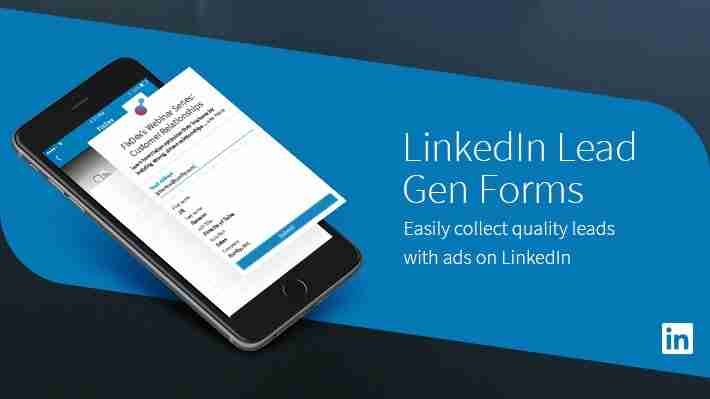

  • How LinkedIn Lead Gen Forms makes it easy to collect high-quality leads?

    How LinkedIn Lead Gen Forms makes it easy to collect high-quality leads?

    LinkedIn Lead Gen Forms streamline the process of collecting high-quality leads by offering several key advantages:1

    1. Seamless User Experience:

    • In-platform convenience: Users can submit their information without leaving the LinkedIn platform, reducing friction and increasing the likelihood of completion.2 This is unlike traditional methods that redirect users to external landing pages.
    • Pre-filled information: The forms are automatically pre-filled with accurate data from users’ LinkedIn profiles, such as their name, email address, job title, company, and location.3 This saves users time and effort, making it incredibly easy for them to submit their details with just a couple of clicks.4
    • Mobile-friendly: Lead Gen Forms are designed to work seamlessly on mobile devices, catering to LinkedIn’s large mobile user base.

    2. High-Quality Lead Data:

    • Accurate professional information: The data captured is based on users’ professional profiles, ensuring that the leads are more likely to be relevant to B2B businesses.5
    • Customizable questions: Beyond the pre-filled fields, you can add custom questions to gather specific information relevant to your business needs, helping you qualify leads effectively.6 You can include single-line input, multiple-choice questions, and custom checkboxes for consent.7
    • Hidden fields: You can also include hidden fields for tracking purposes, such as identifying the specific campaign or form the lead originated from, without the user seeing or needing to fill them.8

    3. Enhanced Targeting and Reach:

    • Precise audience targeting: LinkedIn’s powerful advertising platform allows you to target specific professional demographics based on job title, industry, company size, seniority, and more, ensuring your forms are seen by the right audience.9
    • Integration with ad formats: Lead Gen Forms can be attached to various LinkedIn ad formats, including Sponsored Content, Message Ads, Video Ads, and Carousel Ads, allowing you to reach your target audience in different ways.10

    4. Efficient Lead Management and Measurement:

    • Easy lead access: Leads collected through the forms can be easily downloaded from LinkedIn’s Campaign Manager in CSV format.11
    • Direct integrations: LinkedIn allows for direct integration with various CRM and marketing automation platforms (like HubSpot, Salesforce, Marketo), enabling seamless flow of leads into your existing systems for immediate follow-up and nurturing.12
    • Performance tracking: LinkedIn provides built-in reporting metrics such as cost per lead, lead form fill rate, and the number of leads generated from specific audience segments, making it easy to measure the ROI of your lead generation campaigns.13

    5. Increased Conversion Rates and ROI:

    • Higher conversion rates: By reducing friction and leveraging pre-filled data, Lead Gen Forms often result in significantly higher conversion rates compared to traditional landing pages.14 Some studies suggest conversion rates can be 2-3 times higher.
    • Cost-effective: Higher conversion rates and the ability to target specific audiences can lead to a lower cost per lead, improving the overall efficiency and ROI of your advertising spend.

    In summary, LinkedIn Lead Gen Forms simplify the lead capture process by leveraging the platform’s rich professional data and user-friendly interface.15 This results in a higher volume of quality leads with less effort for both the advertiser and the potential lead. The seamless integration with LinkedIn’s advertising and other marketing tools further enhances their effectiveness in B2B lead generation strategies.16

  • Who are the best prospects for an “equipment financing agency?”

    Who are the best prospects for an “equipment financing agency?”

    The best prospects for an “equipment financing agency” are businesses across various industries that require machinery, vehicles, technology, or other tangible assets to operate and grow. Identifying specific segments within these industries will help you tailor your marketing efforts and offerings. Here’s a breakdown of prime prospect categories:

    Core Industries with High Equipment Needs:

    • Manufacturing: This is a primary target. Manufacturers constantly need to upgrade, replace, or expand their machinery and production lines. This includes:
      • Heavy Manufacturing: Automotive, aerospace, steel production.
      • Light Manufacturing: Food processing, textiles, electronics assembly.
      • Specialized Manufacturing: Plastics, pharmaceuticals, medical devices.
    • Construction: Construction companies heavily rely on equipment like excavators, bulldozers, cranes, loaders, and various tools. Both large-scale contractors and smaller, specialized firms are potential clients.
    • Transportation and Logistics: Businesses involved in moving goods and people require a wide range of vehicles, including trucks, trailers, buses, vans, and material handling equipment like forklifts.
    • Agriculture: Farmers and agricultural businesses need tractors, harvesters, planters, irrigation systems, and other specialized equipment.
    • Healthcare: Hospitals, clinics, and medical practices require sophisticated medical equipment, from imaging devices to patient monitoring systems.
    • Printing and Publishing: These businesses utilize printing presses, finishing equipment, and digital printing technology.
    • Food and Beverage: Restaurants, catering services, and food processing facilities need commercial kitchen equipment, refrigeration units, and packaging machinery.

    Growth-Oriented Businesses:

    • Startups and Expanding Businesses: Companies experiencing growth often need to invest in new equipment to scale their operations and meet increasing demand. They might lack the upfront capital for outright purchases.
    • Businesses Adopting New Technologies: Companies looking to improve efficiency, automate processes, or implement advanced technologies often require financing for new equipment. This could include robotics, AI-powered machinery, or updated IT infrastructure.

    Businesses with Specific Financial Situations:

    • Companies with Capital Constraints: Businesses that prefer to preserve their working capital for operational expenses may opt for equipment financing instead of large upfront purchases.
    • Businesses Seeking Tax Advantages: Equipment financing can offer tax benefits through depreciation and interest deductions, making it attractive to businesses looking to optimize their financial structure.
    • Businesses with Short-Term Projects: Companies that need equipment for a specific project might prefer leasing or short-term financing options.

    Niche Markets:

    • Renewable Energy: Companies involved in solar, wind, or other renewable energy projects often require financing for specialized equipment.
    • Environmental Services: Businesses providing waste management, recycling, or environmental remediation services need specialized vehicles and machinery.
    • Forestry and Logging: These industries rely on heavy-duty equipment for harvesting and processing timber.

    Identifying and Reaching These Prospects:

    To effectively target these prospects, your agency should:

    • Conduct Market Research: Identify the key industries and businesses in your target geographic area that have a high demand for equipment financing.
    • Develop Industry-Specific Marketing Materials: Tailor your website content, brochures, and email campaigns to address the specific needs and challenges of different industries. For example, highlight the benefits of flexible payment terms for construction companies or the advantages of upgrading to energy-efficient equipment for manufacturers.
    • Network with Industry Associations: Attend industry events, join relevant associations, and build relationships with professionals in your target sectors.
    • Offer Specialized Financing Solutions: Develop financing products tailored to the unique requirements of different types of equipment and industries. This could include seasonal payment plans for agricultural businesses or rapid financing for time-sensitive construction projects.
    • Build Relationships with Equipment Dealers: Partnering with equipment dealers can provide a direct pipeline to potential clients who are in the market for new or used equipment.

    By focusing on these key prospect categories and tailoring your approach, your equipment financing agency can effectively reach the businesses that are most likely to need and benefit from your services. Remember to continuously analyze your target market and adapt your strategies as industries and business needs evolve.

  • How email marketing will be helpful for a small business Financing agency?

    How email marketing will be helpful for a small business Financing agency?

    Ah, a small business financing agency! Email marketing can be a real game-changer for you, offering a direct line to the very businesses you aim to help.1 Here’s how it can be particularly beneficial:

    • Cost-Effective Outreach: As a small agency, you’re likely mindful of your budget. Email marketing is incredibly cost-effective compared to many other marketing channels.2 You can reach a large number of potential clients without breaking the bank on printing, postage, or expensive ad campaigns.3
    • Highly Targeted Communication: Small businesses have diverse needs. Email marketing allows you to segment your audience based on industry, business size, funding needs (e.g., startup capital, expansion loans, equipment financing), or even their stage in the business lifecycle.4 This means you can send tailored messages that resonate directly with their specific challenges and goals. Imagine sending an email specifically about microloans to newly established businesses in your locality.
    • Building Personal Relationships: Small business owners often value personal connections.5 Email allows you to cultivate these relationships by providing consistent, valuable content and engaging in personalized communication.6 You can address recipients by name, reference previous interactions (if any), and offer solutions tailored to their unique situations.
    • Establishing Trust and Authority: By consistently sharing helpful content, such as tips for securing financing, explanations of different loan types, success stories of local businesses you’ve assisted, and updates on relevant financial regulations or opportunities, you position your agency as a knowledgeable and trustworthy partner. This builds confidence among potential clients.
    • Nurturing Leads Through the Sales Cycle: Small businesses might not be ready for financing immediately. Email marketing allows you to nurture leads over time by providing relevant information and staying top-of-mind.7 You can guide them through the different stages of considering financing, from initial awareness to making a decision.
    • Promoting Specific Financing Products and Services: When you have a new financing product tailored for small businesses, a special offer, or a webinar explaining your services, email is a direct and effective way to announce it to your target audience. You can clearly explain the benefits and provide a clear call to action.
    • Driving Local Engagement: For a small, locally-focused agency, email marketing can help you connect with businesses in your community.8 You can promote local events you’re participating in, highlight your understanding of the local business landscape, and build relationships within your geographical area.
    • Gathering Valuable Feedback: You can use email to conduct surveys or ask for feedback from your subscribers.9 This provides valuable insights into the needs and challenges of small businesses, allowing you to refine your services and marketing efforts.
    • Easy Measurement and Optimization: Most email marketing platforms offer robust analytics, allowing you to track open rates, click-through rates, and conversions.1011 This data helps you understand what’s working and what’s12 not, enabling you to continuously optimize your email campaigns for better results.13

    In short, email marketing offers a powerful, affordable, and relationship-focused way for a small business financing agency to connect with its target audience, build trust, nurture leads, and ultimately help more small businesses access the funding they need to thrive. It’s about being a helpful resource in their inbox, not just another sales pitch.

  • Which industry need email marketing the most?

    Which industry need email marketing the most?

    While it’s difficult to definitively say one single industry needs email marketing “the most,” as it’s a powerful tool for nearly any business, several sectors rely on it very heavily or see particularly high returns due to their business models.

    Here are some industries where email marketing is often considered essential:

    1. E-commerce & Retail: This is arguably one of the top contenders.1 Email is crucial for:
      • Driving Sales: Promotions, discounts, new product launches.2
      • Cart Abandonment Recovery: Reminding shoppers about items left behind.3
      • Customer Retention: Loyalty programs, personalized recommendations, birthday offers.4
      • Building Relationships: Post-purchase follow-ups, feedback requests.5
    2. SaaS (Software as a Service):6 Email is vital throughout the customer lifecycle:7
      • Lead Nurturing: Educating potential customers during trial periods.8
      • Onboarding: Guiding new users on how to use the software effectively.9
      • Feature Updates & Announcements: Keeping users informed about improvements.10
      • Retention & Upselling: Encouraging continued use and upgrades.11
    3. Travel & Hospitality: Personalized offers and timely communication are key:
      • Promotions & Deals: Sending targeted travel offers based on past behaviour or preferences.
      • Booking Confirmations & Reminders: Essential pre-trip communication.12
      • Loyalty Programs: Rewarding frequent travellers/guests.13
      • Post-Trip Engagement: Surveys, requests for reviews, future travel inspiration.14
    4. Publishing & Media: Email newsletters are often a core part of their engagement strategy:15
      • Content Distribution: Delivering articles, news roundups, and updates directly to subscribers.16
      • Building Audience Loyalty: Creating a regular touchpoint with readers.17
      • Monetization: Promoting premium content, subscriptions, or advertising.
    5. Non-profits: Email is a cost-effective way to communicate and drive action:18
      • Fundraising Campaigns: Reaching potential donors and soliciting donations.19
      • Volunteer Coordination: Communicating needs and schedules.20
      • Sharing Impact Stories: Keeping supporters engaged and informed about the organization’s work.21
      • Event Promotion: Announcing fundraising events or awareness campaigns.22
    6. B2B (Business-to-Business): Especially for companies with longer sales cycles:
      • Lead Nurturing: Providing valuable content (whitepapers, case studies, webinars) to educate leads over time.
      • Building Relationships: Staying top-of-mind with potential and existing clients.
      • Product Updates & News: Informing clients about new services or industry insights.

    Why these industries often need it “most”:

    • Direct Customer Relationship: They rely on building and maintaining direct relationships.
    • Repeat Business/Long Sales Cycles: Email is effective for nurturing leads and encouraging loyalty over time.23
    • High ROI Potential: Email marketing consistently shows one of the highest returns on investment compared to other digital marketing channels.24
    • Personalization Opportunities: These industries benefit greatly from segmenting audiences and sending tailored messages.

    In conclusion, while almost every industry can benefit significantly from a well-executed email marketing strategy, sectors like E-commerce, SaaS, Travel, Media, Non-profits, and B2B often find it indispensable for core business functions like sales, customer retention, lead nurturing, and communication.

  • The best AI tools for writing marketing emails

    The best AI tools for writing marketing emails

    Okay, let’s break down some of the top AI tools that can significantly help with writing marketing emails as of early 2025. The “best” tool often depends on your specific needs, budget, and existing marketing stack, but here are some highly-regarded options known for their email writing capabilities:

    Top Contenders & Their Strengths:

    1. Jasper (formerly Jarvis):
      • Strengths: Highly versatile and powerful AI writer with numerous templates, including many specifically for emails (subject lines, email body, cold outreach, newsletters, promotional emails, etc.). Known for producing high-quality, human-like copy and allowing fine-tuning of tone and style.1 Good for generating multiple variations quickly.2
      • Best For: Marketers needing a robust, all-around AI writing assistant that excels at various types of email copy and other marketing content.3
    2. Copy.ai:
      • Strengths: User-friendly interface with a strong focus on marketing and sales copy.4 Offers specific tools for generating email subject lines, welcome emails, promotional copy, and more.5 Good at generating creative angles and variations.6 Often praised for its ease of use, especially for short-form content.
      • Best For: Teams looking for a straightforward tool to quickly generate creative email ideas, subject lines, and shorter email copy.
    3. Writesonic:
      • Strengths: Positions itself strongly for marketing copy creation.7 Provides templates for various email types (general emails, cold emails, follow-ups, subject lines).8 Often includes features tailored to conversion optimization.9 Balances quality with a range of features.
      • Best For: Marketers looking for an AI writer specifically geared towards creating conversion-focused email copy and other marketing materials.
    4. Rytr:
      • Strengths: Often considered a more budget-friendly option. While perhaps less feature-rich than Jasper or Copy.ai, it still offers solid email writing capabilities, including templates for email generation and subject lines. Good for generating initial drafts or overcoming writer’s block.
      • Best For: Individuals or small teams on a tighter budget needing AI assistance for basic email drafting and idea generation.
    5. HubSpot AI Content Assistant:
      • Strengths: Integrated directly within the HubSpot Marketing Hub. Allows you to generate email subject lines, body copy, outlines, and rephrase text directly within the email editor. Leverages context from your HubSpot CRM.
      • Best For: Businesses already heavily invested in the HubSpot ecosystem who want seamless AI integration within their existing workflows.
    6. Mailchimp Email Content Generator:
      • Strengths: Built into the Mailchimp platform. Helps generate email outlines, subject lines, and body copy variations based on your marketing goals (e.g., make a sale, announce something). Uses context from your campaign objectives.
      • Best For: Mailchimp users who want convenient, integrated AI assistance for drafting campaigns within the platform.
    7. Ortto’s AI features:
      • Strengths: Ortto is a customer data and marketing automation platform with integrated AI.10 It can help write subject lines, preheaders, and entire email bodies based on prompts or objectives, directly within its campaign builder.
      • Best For: Marketers using Ortto for their automation and wanting AI writing capabilities tightly integrated with customer data and journey building.

    Factors to Consider When Choosing:

    • Specific Needs: Do you need help primarily with subject lines, full email bodies, cold outreach, or newsletters? Some tools excel in specific areas.
    • Integration: Do you want a standalone tool, or one that integrates directly into your Email Service Provider (ESP) or CRM (like HubSpot or Mailchimp)?
    • Budget: Prices range from free tiers/trials to significant monthly subscriptions based on usage and features.
    • Ease of Use: How intuitive is the interface? How much of a learning curve is there?
    • Output Quality & Control: How human-like is the generated text? How much control do you have over tone, style, and length?
    • Volume: How many emails or variations do you need to generate regularly?

    Important Note:

    AI tools are powerful assistants, but they shouldn’t completely replace human oversight. Always review, edit, and refine AI-generated copy to ensure it aligns perfectly with your brand voice, specific campaign goals, and audience nuances. Human strategy and personalization remain crucial for effective email marketing.

    It’s often a good idea to try out free trials or demos of a few tools that seem like a good fit before committing to one.

  • What is manual prospect list building of ICP?

    What is manual prospect list building of ICP?

    Okay, let’s break down “manual prospect list building of ICP”:

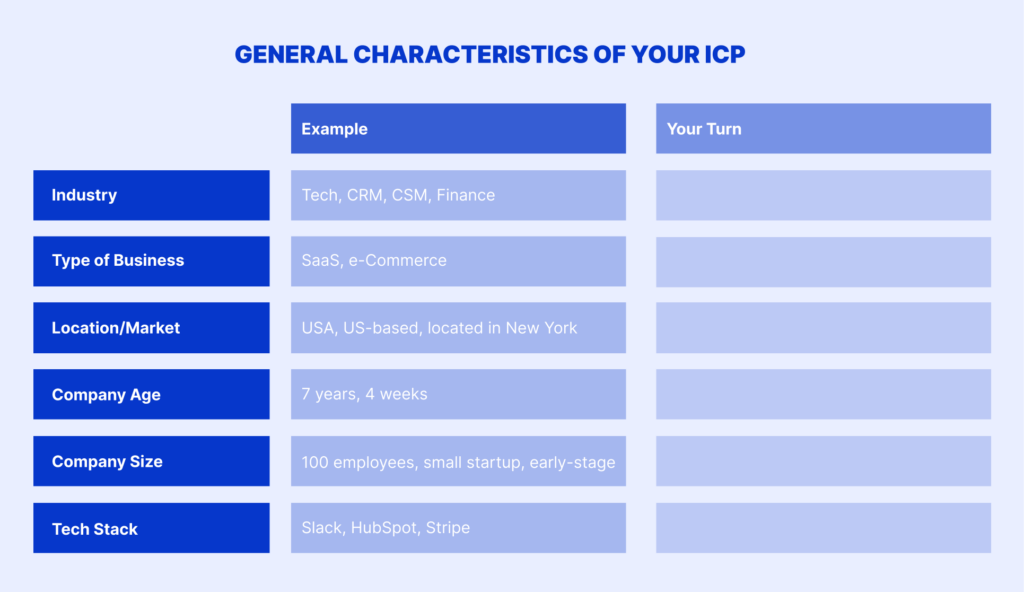
    1. ICP (Ideal Customer Profile):
      • This is a detailed, semi-fictional description of the perfect customer for your product or service.
      • It’s not just about demographics; it defines the specific characteristics of the companies (and the people within them) that gain the most value from your offering and are therefore most likely to buy, be successful, and stay long-term.1
      • Key elements often include:
        • Industry/Vertical2
        • Company Size (revenue, number of employees)3
        • Geography/Location4
        • Specific pain points or challenges your product solves5
        • Technology they might already use
        • Budgetary considerations
        • Organizational structure (relevant departments, decision-maker roles)6
    2. Prospect List Building:
      • This is the process of identifying and compiling a list of potential customers (prospects) that your sales and marketing teams can reach out to.7
      • The goal is to create a list of leads who are likely to be interested in your product or service.8
    3. Manual:
      • This signifies that the process is primarily carried out by humans, relying on research, judgment, and direct data gathering, rather than being fully automated by software tools.
      • It involves using resources like search engines (Google, Bing), professional networks (LinkedIn, especially Sales Navigator), company websites, online directories, industry reports, news articles, and potentially existing databases, but the selection, verification, and compilation are done by a person.

    Putting it all together:

    Manual prospect list building of ICP is the human-driven process of researching, identifying, verifying, and compiling a targeted list of companies and specific contacts within those companies that precisely match your pre-defined Ideal Customer Profile.

    Here’s what it typically involves:

    1. Starting with a Clear ICP: You need a well-defined ICP first.
    2. Identifying Research Channels: Deciding where to look (e.g., LinkedIn for specific job titles in certain industries, company directories for specific size/revenue).
    3. Active Research: Manually searching these channels using criteria derived from the ICP (e.g., searching LinkedIn for “Marketing Managers” at “SaaS companies” with “50-200 employees” in “California”).
    4. Qualification & Verification: Assessing each potential prospect against the full ICP criteria. Does this company really fit? Is this contact the right person (decision-maker, influencer)? Is their contact information accurate? This often involves visiting company websites, checking profiles, and cross-referencing information.9
    5. Data Compilation: Manually entering the gathered information (company name, contact name, title, email, phone number, LinkedIn profile URL, relevant notes) into a spreadsheet, CRM, or sales engagement platform.

    Why do it manually?

    • Higher Quality & Accuracy: Human researchers can often apply nuance and judgment that automated tools might miss, leading to a more accurate and relevant list. They can verify information more thoroughly.
    • Specificity: Excellent for targeting very niche markets or complex ICPs where automated filters might be too broad or inaccurate.
    • Deeper Insights: Researchers might uncover valuable context (like recent company news, funding rounds, specific initiatives) during the process.

    Downsides:

    • Time-Consuming: It takes significant human effort and time.
    • Scalability: Difficult to build very large lists quickly.
    • Cost: While software costs might be lower, the cost of human hours is significant.

    In essence, it’s a high-effort, high-quality approach to finding the right potential customers based on a deep understanding of who benefits most from your offering.

  • Is account-intent data enough? The case for contact-level intent.

    Is account-intent data enough? The case for contact-level intent.

    The debate between account-level intent data and contact-level intent data highlights a crucial distinction in B2B marketing and sales strategies.1 Here’s a breakdown of why contact-level intent is increasingly considered essential, and why account-level data alone may not be sufficient:

    Account-Level Intent Data:

    • Focus:
      • Aggregates data at the organizational level.2
      • Indicates general interest from a company in a specific topic or solution.
    • Strengths:
      • Helps identify target accounts.3
      • Provides a broad overview of company-wide interest.
      • Can be useful for initial account-based marketing (ABM) strategies.4
    • Limitations:
      • Lacks granularity; doesn’t reveal which individuals within the company are showing interest.5
      • Makes it difficult to personalize outreach.
      • Can lead to inefficient sales efforts, as it’s unclear who to contact.6

    Contact-Level Intent Data:

    • Focus:
      • Tracks the behavior of individual contacts within target accounts.7
      • Reveals specific interests and needs of those individuals.8
    • Strengths:
      • Enables highly personalized marketing and sales efforts.9
      • Provides insights into individual pain points and motivations.10
      • Helps identify key decision-makers and influencers.11
      • Increases the effectiveness of sales outreach.
    • Why it’s important:
      • B2B Buying is Complex: B2B purchase decisions typically involve multiple stakeholders.12 Contact-level intent helps understand the roles and interests of each person in the buying committee.13
      • Personalization is Key: Today’s buyers expect personalized experiences.14 Contact-level intent allows for tailored messaging and content.15
      • Sales Efficiency: Knowing who to contact and what they care about streamlines the sales process.

    In essence:

    • Account-level intent can point you to the “where,” while contact-level intent tells you the “who” and the “why.”
    • While account-level data can be a valuable starting point, contact-level data provides the depth and precision needed for effective B2B marketing and sales.16

    Therefore, while account-level intent data has its uses, it is not enough on its own. Contact-level intent data is increasingly vital for businesses looking to maximize their marketing and sales effectiveness.17

  • How is AI Changing SEO?

    How is AI Changing SEO?

    The integration of artificial intelligence (AI) is fundamentally reshaping the landscape of Search Engine Optimization (SEO).1 Here’s a breakdown of the key ways AI is changing SEO:

    1. Enhanced Understanding of User Intent:

    • Beyond Keywords:
      • AI-powered search algorithms, like Google’s BERT and RankBrain, are moving beyond simple keyword matching.2 They now focus on understanding the context and intent behind search queries.3
      • This means SEO strategies must prioritize creating content that genuinely addresses user needs and provides valuable information.4
    • Conversational Search:
      • With the rise of voice search and conversational AI, SEO is adapting to natural language queries.5
      • Optimizing for long-tail keywords and conversational phrases is becoming increasingly crucial.6

    2. Revolutionizing Content Creation and Optimization:

    • AI-Powered Tools:
      • AI tools are assisting in keyword research, content analysis, and optimization.7 These tools can identify trends, suggest relevant topics, and analyze competitor content.
      • Generative AI tools like ChatGPT are aiding in content creation, but it is important to insure that the content is high quality, and accurate.
    • Focus on E-E-A-T:
      • AI algorithms are placing greater emphasis on Experience, Expertise, Authoritativeness, and Trustworthiness (E-E-A-T).8
      • SEO strategies must prioritize building credibility and demonstrating expertise in their respective fields.

    3. Transforming Keyword Research:

    • Advanced Data Analysis:
      • AI enables the analysis of vast datasets to identify emerging trends and uncover hidden keyword opportunities.9
      • This allows for more precise targeting and optimization.10
    • Predictive Analytics:
      • AI can predict future search trends, allowing businesses to stay ahead of the curve and adapt their SEO strategies accordingly.11

    4. Personalization of Search Results:

    • Tailored Experiences:
      • AI algorithms personalize search results based on user behavior, location, and other factors.12
      • This means SEO strategies must consider the diverse needs and preferences of their target audience.

    5. Impact on Technical SEO:

    • Automation and Efficiency:
      • AI tools can automate technical SEO tasks, such as identifying broken links, analyzing page speed, and optimizing mobile usability.13
      • This allows for greater efficiency and accuracy.14

    6. The Rise of Entity SEO:

    • From Strings to Things:
      • AI is driving a shift from keyword-focused SEO to entity-based SEO, which focuses on understanding concepts and relationships.15
      • This approach emphasizes creating content that is comprehensive and contextually relevant.

    In essence, AI is pushing SEO towards a more user-centric and data-driven approach.16 It’s about creating valuable, relevant, and trustworthy content that meets the evolving needs of both users and search engines.

  • The Power of LinkedIn Groups: Networking and Lead Generation Opportunities

    The Power of LinkedIn Groups: Networking and Lead Generation Opportunities

    LinkedIn Groups serve as valuable hubs for professionals to connect, share knowledge, and explore opportunities within specific industries or areas of interest. Here’s a breakdown of their power in networking and lead generation:

    Key Benefits:

    • Targeted Networking:
      • LinkedIn Groups allow you to connect with individuals who share your professional interests, industry, or goals. This creates a focused environment for building relevant connections.
      • You can find potential clients, partners, mentors, and industry experts within these groups.
    • Lead Generation:
      • By actively participating in group discussions and providing valuable insights, you can establish yourself as a thought leader.
      • This credibility can lead to organic lead generation as people seek your expertise and services.
      • You can identify potential leads by observing discussions and identifying individuals who may benefit from your offerings.
    • Knowledge Sharing:
      • Groups provide a platform to stay updated on industry trends, learn new skills, and gain valuable insights from other professionals.
      • You can contribute your own expertise by sharing articles, resources, and participating in discussions.
    • Building Relationships:
      • Engaging in meaningful conversations within groups helps build rapport and trust with other members.
      • These relationships can lead to valuable collaborations, partnerships, and business opportunities.
    • Establishing Authority:
      • Consistently providing valuable information and insights within groups can position you as a trusted resource and expert in your field.

    Effective Strategies:

    • Join Relevant Groups:
      • Identify groups that align with your industry, target audience, and professional goals.
    • Engage Actively:
      • Participate in discussions, share valuable content, and ask thoughtful questions.
    • Provide Value:
      • Focus on contributing helpful information and insights rather than solely promoting your own products or services.
    • Build Relationships:
      • Connect with other members, engage in private conversations, and follow up after events or discussions.
    • Monitor and Analyze:
      • Track your engagement and results to optimize your LinkedIn Group strategy.

    In essence, LinkedIn Groups, when used strategically, can be a powerful tool for expanding your professional network, generating leads, and establishing yourself as a thought leader in your industry.1