HOME » Page 2

Blog

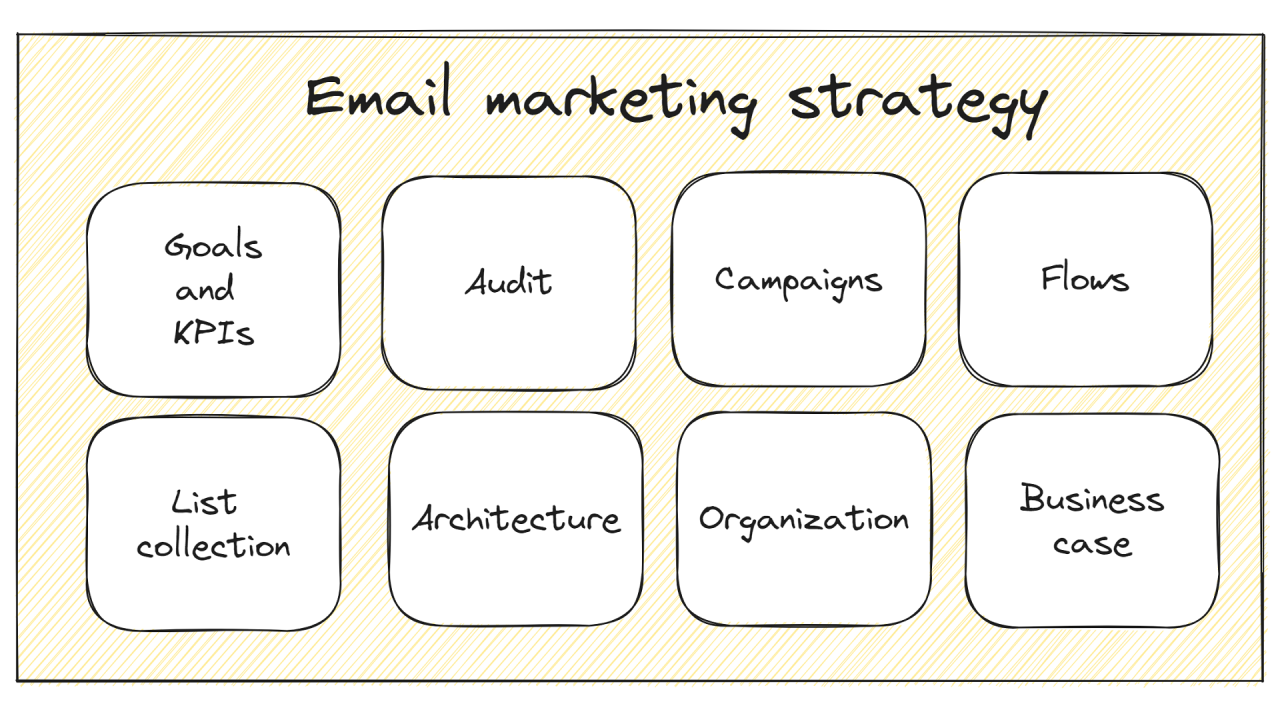
  • Key Elements of a Successful Email Marketing Strategy

    Key Elements of a Successful Email Marketing Strategy

    Build a High-Quality Email List:

    • Collect email addresses ethically through website forms, contests, and social media promotions.
    • Regularly clean your list to remove inactive subscribers.

    Create Compelling Content:

    • Craft engaging subject lines: Make them short, intriguing, and relevant to your audience.
    • Write clear and concise copy: Use a conversational tone and focus on providing value to your subscribers.
    • Use visuals: Incorporate high-quality images and videos to enhance your emails.

    Personalize Your Messages:

    • Use subscriber names and personalize content based on their interests and behavior.
    • Segment your email lists to deliver targeted messages.

    Mobile Optimization:

    • Ensure your emails are responsive and display correctly on all devices.

    A/B Testing:

    • Experiment with different subject lines, call-to-actions, and email designs to optimize your campaigns.

    Compliance with Regulations:

    • Adhere to anti-spam laws like CAN-SPAM and GDPR.
    • Always provide an unsubscribe option.
  • How to Provide Excellent Customer Service?

    How to Provide Excellent Customer Service?

    Providing excellent customer service is essential for any business that wants to succeed. It can build customer loyalty, increase repeat business, and even attract new customers through positive word-of-mouth. Here are some key tips to help you provide excellent customer service:

    1. Understand Your Customers’ Needs:
      • Empathy: Put yourself in your customers’ shoes. Try to understand their problems, frustrations, and expectations.
      • Active Listening: Pay close attention to what your customers are saying, both verbally and nonverbally. Ask clarifying questions to ensure you understand their needs.
      • Personalized Service: Tailor your service to each individual customer. Use their name, acknowledge their past interactions, and offer solutions that address their specific situation.
    2. Exceed Expectations:
      • Proactive Approach: Anticipate your customers’ needs and offer solutions before they even ask.
      • Go the Extra Mile: Be willing to go above and beyond to resolve issues and satisfy customers.
      • Surprise and Delight: Find unexpected ways to make your customers feel valued and appreciated.
    3. Communicate Effectively:
      • Clear and Concise: Use simple language and avoid jargon. Be direct and to the point.
      • Active Communication: Keep your customers informed throughout the process, especially when there are delays or issues.
      • Multiple Channels: Offer various communication channels, such as phone, email, chat, and social media, to accommodate different customer preferences.
    4. Resolve Issues Promptly and Professionally:
      • Ownership: Take responsibility for resolving issues, even if they are not your fault.
      • Empowerment: Give your customer service representatives the authority to make decisions and resolve issues quickly.
      • Follow Up: After resolving an issue, follow up with the customer to ensure they are satisfied.
    5. Build Relationships:
      • Personalization: Get to know your regular customers and build rapport.
      • Loyalty Programs: Reward loyal customers with exclusive benefits and discounts.
      • Feedback: Encourage customer feedback and use it to improve your service.
    6. Create a Positive Environment:
      • Teamwork: Foster a collaborative and supportive team environment.
      • Empowerment: Empower your employees to make decisions and provide excellent service.
      • Recognition: Recognize and reward employees who provide exceptional customer service.

    By following these tips, you can create a positive customer experience that will keep your customers coming back for more.

  • How to write an effective email to attract new clients?

    How to write an effective email to attract new clients?

    Subject Line: [Intriguing & Relevant Subject Line – e.g., “Unlock Your Business Potential” or “Boost Your Sales with [Your Service]”]

    Body:

    • Start with a Strong Hook:
      • Personalize: If possible, mention something specific about their business or a recent industry trend.
      • Intrigue: Pose a relevant question (“Tired of [common client problem]?”), offer a valuable statistic, or share a compelling anecdote.
    • Clearly State Your Value Proposition:
      • Focus on Benefits: What specific problems do you solve for clients? How do you help them achieve their goals (e.g., increase revenue, improve efficiency, save time)?
      • Highlight Unique Selling Points: What makes your services stand out from the competition? (e.g., specialized expertise, innovative approach, client testimonials)
      • Keep it Concise: Use bullet points or short paragraphs to make your message easy to scan.
    • Include a Clear Call to Action:
      • Make it Easy: Provide a direct link to your website, schedule a free consultation, or request a quote.
      • Create Urgency (optional): “Limited-time offer,” “Schedule a call this week,” or “Get a free consultation today.”
    • Professional Closing:
      • Thank them for their time.
      • Include your contact information: Name, phone number, email address, and website.
      • Professional closing: “Sincerely,” “Best regards,” or “Warmly,” followed by your name.

    Tips for Effectiveness:

    • Keep it concise and professional.
    • Proofread carefully for any typos or grammatical errors.
    • Segment your audience: Tailor your emails to specific industries or client needs.
    • Personalize whenever possible.
    • Use a professional email signature.
    • Track your email open and click-through rates to measure effectiveness.
    • Consider A/B testing different subject lines and email content to see what resonates best with your audience.

    Example:

    Subject Line: “Scale Your Business with [Your Service]”

    Hi [Client Name],

    Are you struggling to [Client Problem, e.g., “increase website traffic” or “reach your target audience”]?

    At [Your Company Name], we help businesses like yours [Benefit, e.g., “generate leads,” “boost sales,” “improve brand awareness”] through [Your Service].

    We specialize in [Unique Selling Point 1] and [Unique Selling Point 2], delivering [Client Outcome, e.g., “measurable results,” “a personalized approach,” “exceptional customer service”].

    Ready to take your business to the next level? Schedule a free consultation today: [Link to Schedule Call]

    Sincerely,

    [Your Name]

    [Your Title]

    [Your Company Name]

    [Your Website]

    Disclaimer: This is a general template. You should always adapt it to your specific business, target audience, and industry.

    I hope this helps! Let me know if you have any other questions.

  • Benefits of Digital Marketing

    Benefits of Digital Marketing

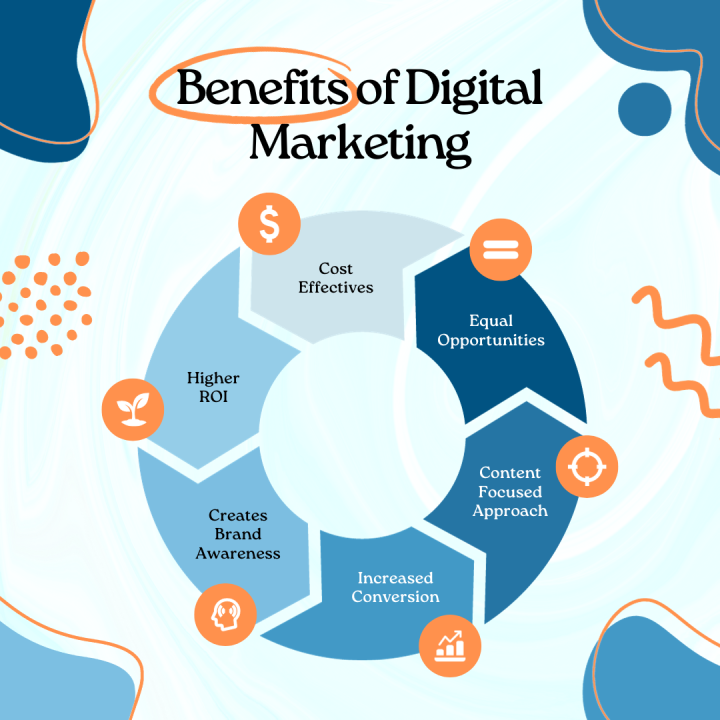
    Digital marketing has revolutionized the way businesses connect with their target audience. It offers a wide range of benefits that can significantly impact a business’s growth and success. Here are some of the key advantages:

    1. Global Reach

    • Borderless Marketing: Digital marketing allows businesses to reach a global audience, transcending geographical boundaries.
    • Expanded Customer Base: Connect with potential customers from around the world, increasing your market potential.

    2. Cost-Effective

    • Lower Costs: Compared to traditional marketing methods, digital marketing often requires a smaller budget.
    • Precise Targeting: Invest in specific channels and target audiences, maximizing your return on investment (ROI).

    3. Measurable Results

    • Trackable Metrics: Digital marketing tools provide detailed analytics, allowing you to measure the effectiveness of your campaigns.
    • Data-Driven Decisions: Use data insights to optimize your strategies and improve future performance.

    4. Targeted Audience

    • Personalized Marketing: Deliver tailored messages to specific demographics, interests, and behaviors.
    • Enhanced Relevance: Increase engagement by providing content that resonates with your target audience.

    5. Increased Engagement

    • Interactive Platforms: Social media and other digital channels enable two-way communication with customers.
    • Stronger Relationships: Build lasting relationships by actively listening to customer feedback and addressing their needs.

    6. Improved Brand Awareness

    • Consistent Branding: Maintain a consistent brand image across all digital platforms.
    • Higher Visibility: Increase brand recognition through search engine optimization (SEO), social media marketing, and content marketing.

    7. Higher Conversion Rates

    • Clear Calls to Action: Guide visitors to take desired actions, such as making a purchase or signing up for a newsletter.
    • Optimized Landing Pages: Create compelling landing pages that convert website traffic into leads or customers.

    8. Flexibility and Scalability

    • Adaptable Strategies: Easily adjust your marketing campaigns to respond to changing market conditions.
    • Scalable Growth: Scale your marketing efforts to accommodate business growth and increasing demand.

    By leveraging the power of digital marketing, businesses can achieve greater visibility, engagement, and sales. To maximize the benefits, it’s essential to develop a comprehensive digital marketing strategy and continuously monitor and optimize your campaigns.

  • Gaslighting: The Silent Thief of Sanity

    Gaslighting: The Silent Thief of Sanity

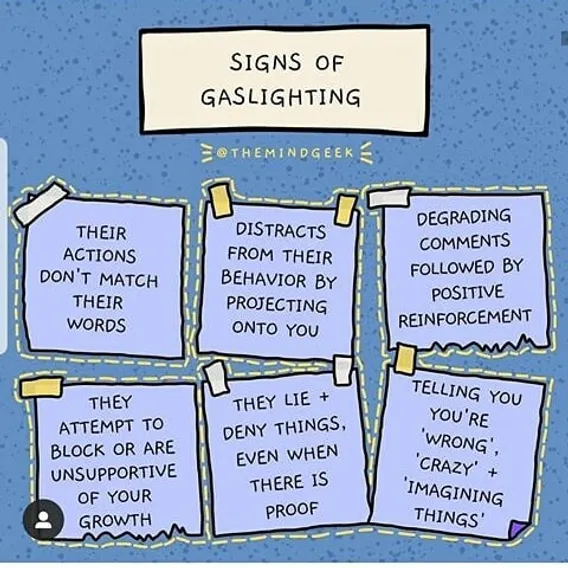
    Gaslighting is a form of psychological manipulation where a person seeks to sow seeds of doubt in another individual, making them question their own reality.1 It’s a subtle yet insidious tactic often used in abusive relationships, but it can also occur in friendships, workplaces, and even within families.2

    How Does Gaslighting Work?

    Gaslighters employ a variety of techniques to erode their victim’s sense of self:3

    • Denial: They deny saying or doing something, even when there’s evidence to the contrary.4
    • Minimization: They downplay the victim’s feelings or experiences, making them seem insignificant.5
    • Triangulation: They involve a third party to validate their perspective and invalidate the victim’s.6
    • Withholding: They withhold affection, support, or basic necessities to control the victim.7
    • Diverting Blame: They shift the focus onto the victim, accusing them of being overly sensitive or imagining things.8

    The Impact of Gaslighting

    The long-term effects of gaslighting can be devastating, including:

    • Erosion of Self-Esteem: Victims may doubt their own perceptions, memories, and sanity.9
    • Anxiety and Depression: Constant questioning of reality can lead to significant emotional distress.10
    • Isolation: Gaslighters often isolate their victims from friends and family, leaving them feeling alone and unsupported.11
    • Difficulty Trusting Others: The experience of being betrayed by someone close can make it hard to form healthy relationships.12

    Recognizing Gaslighting

    If you suspect you’re being gaslighted, here are some warning signs:

    • You constantly question your own judgment and feelings.13
    • You apologize for things you didn’t do or say.
    • You feel confused and disoriented.
    • You doubt your own sanity.14
    • You feel isolated and alone.

    Breaking Free from Gaslighting

    If you’re in a gaslighting relationship, it’s crucial to seek help. Here are some steps to consider:

    1. Trust Your Instincts: If something feels wrong, it probably is.
    2. Document Incidents: Keep a journal or record conversations to track patterns of behavior.15
    3. Seek Support: Talk to a trusted friend, family member, or therapist.
    4. Set Boundaries: Establish clear boundaries with the gaslighter and limit contact if necessary.16
    5. Practice Self-Care: Prioritize your well-being through activities like meditation, exercise, and spending time with supportive people.17

    Remember, you deserve to be treated with respect and dignity. If you’re experiencing gaslighting, don’t hesitate to reach out for help.

  • Wishing You a Joyous Holiday Season!

    Wishing You a Joyous Holiday Season!

    The holiday season is upon us, a time for joy, love, and reflection. As the year draws to a close, let’s take a moment to express our gratitude for the blessings we’ve received and look forward to the promise of the new year.

    May this holiday season bring you:

    • Peace: May your heart be filled with peace and tranquility.
    • Joy: May laughter and happiness fill your days.
    • Love: May you be surrounded by the love of family and friends.
    • Hope: May hope ignite your spirit and guide your path.

    Whether you celebrate Christmas, Hanukkah, Kwanzaa, or another holiday, we hope you find peace and joy during this special time.

    From our family to yours, Happy Holidays!

  • Unveiling the Power of Deep Customer Understanding

    Unveiling the Power of Deep Customer Understanding

    The adage “Know your customer better than they know themselves” is a powerful mantra for businesses aiming to build lasting relationships and drive growth. By delving deeper into customer psychology, preferences, and behaviors, you can unlock a wealth of opportunities to deliver exceptional experiences.

    Why is Deep Customer Understanding Crucial?

    • Personalized Experiences: Tailoring products and services to individual needs and preferences.
    • Enhanced Customer Satisfaction: Addressing pain points and exceeding expectations.
    • Increased Customer Loyalty: Fostering strong, long-term relationships.
    • Effective Marketing Strategies: Delivering targeted messages that resonate.
    • Competitive Advantage: Gaining a unique edge in the market.

    Strategies to Gain Deeper Insights

    1. Data-Driven Insights:
      • Customer Analytics: Analyze customer data to identify patterns and trends.
      • Social Listening: Monitor social media conversations to understand customer sentiment.
      • Market Research: Conduct surveys, interviews, and focus groups to gather qualitative feedback.
    2. Customer Journey Mapping:
      • Visualize the customer’s journey from initial awareness to post-purchase.
      • Identify pain points and opportunities for improvement.
    3. Customer Feedback Loops:
      • Actively seek feedback through surveys, reviews, and one-on-one interactions.
      • Implement a system to track and respond to feedback promptly.
    4. Personalization:
      • Use customer data to personalize marketing messages, product recommendations, and customer service interactions.
      • Create personalized experiences that make customers feel valued.
    5. Empathy and Intuition:
      • Develop a deep understanding of human behavior and psychology.
      • Use intuition to anticipate customer needs and desires.

    Case Study: How a Retail Giant Leveraged Customer Insights

    A major retailer used data analytics to identify a customer segment that frequently purchased baby products. By analyzing their purchase history, the retailer discovered that these customers were also interested in home improvement products. The retailer then launched a targeted marketing campaign offering discounts on home improvement items to this specific segment, resulting in a significant increase in sales.

    Conclusion

    By investing in deep customer understanding, businesses can unlock a world of possibilities. By truly knowing your customers, you can build stronger relationships, drive growth, and create lasting brand loyalty.

  • Email marketing in the holiday season

    Email marketing in the holiday season

    Email marketing is a powerful tool for businesses to connect with their customers during the holiday season. It allows you to reach a wide audience, deliver personalized messages, and drive sales. Here are some tips for effective email marketing in the holiday season:

    1. Start Early

    • Plan Ahead: Create a detailed email calendar well in advance, including the number of emails, send dates, and content themes.
    • Build Anticipation: Send teaser emails with sneak peeks of upcoming deals, countdown timers, or exclusive offers to generate excitement.

    2. Segment Your Audience

    • Personalize: Tailor your messages to different customer segments based on their preferences, purchase history, and demographics.
    • Targeted Offers: Create specific promotions for different groups, such as VIP customers, first-time buyers, or lapsed customers.

    3. Create Compelling Subject Lines

    • Catchy and Clear: Write concise and engaging subject lines that highlight the value proposition and create curiosity.
    • Use Strong CTAs: Include clear and persuasive calls to action that encourage recipients to click through to your website or make a purchase.

    4. Design Eye-Catching Emails

    • Holiday Theme: Incorporate festive colors, images, and fonts to create a visually appealing and festive look.
    • Mobile-Friendly: Ensure your emails are optimized for mobile devices to reach customers on the go.
    • Easy Navigation: Make it simple for customers to find products, promotions, and checkout options.

    5. Offer Irresistible Deals

    • Discounts and Promotions: Create a sense of urgency with limited-time offers, flash sales, and early bird discounts.
    • Free Shipping: Offer free shipping to incentivize purchases and reduce cart abandonment.
    • Gift Guides: Curate personalized gift recommendations based on customer preferences.

    6. Utilize Automation

    • Welcome Emails: Greet new subscribers with a warm welcome and a special offer.
    • Abandoned Cart Emails: Remind customers of items left in their cart and offer a discount or incentive to complete their purchase.
    • Post-Purchase Emails: Thank customers for their purchase and include cross-selling or upselling opportunities.

    7. Track and Analyze

    • Key Metrics: Monitor open rates, click-through rates, conversion rates, and other relevant metrics to measure campaign performance.
    • A/B Testing: Experiment with different subject lines, content, and design elements to optimize your emails.
    • Learn and Adapt: Use insights from your data to refine your strategy for future campaigns.

    Additional Tips

    • Leverage User-Generated Content: Share customer photos and testimonials to build trust and social proof.
    • Collaborate with Influencers: Partner with relevant influencers to reach a wider audience and promote your products.
    • Create a Sense of Urgency: Use countdown timers, limited-time offers, and scarcity tactics to drive immediate action.
    • Optimize for Mobile: Ensure your emails are mobile-friendly to capture customers on the go.
    • Test Thoroughly: Test your emails across different devices and email clients to ensure optimal display and functionality.

    By following these tips, you can create effective email marketing campaigns that drive sales and build customer loyalty during the holiday season.

  • Types of Data Entry Services You Can Outsource

    Types of Data Entry Services You Can Outsource

    Data entry is a fundamental yet time-consuming task for many businesses. Outsourcing these services can significantly improve efficiency and accuracy while reducing costs. Here are some common types of data entry services that can be outsourced:

    General Data Entry

    • Form Data Entry: Inputting data from various forms, such as surveys, applications, and contracts.
    • Document Conversion: Converting documents from paper or scanned images into digital formats like Word, Excel, or PDF.
    • Data Migration: Transferring data from one system to another, often involving data cleaning and formatting.

    Specialized Data Entry

    • Medical Data Entry: Processing patient records, insurance claims, and medical billing information.
    • Legal Data Entry: Handling legal documents, court records, and case management data.
    • Financial Data Entry: Inputting financial transactions, invoices, and accounting data.
    • Product Data Entry: Creating and updating product catalogs, including descriptions, specifications, and pricing information.
    • Research Data Entry: Collecting and organizing data for research projects, surveys, or market analysis.

    Other Data Entry Services

    • Data Validation and Cleaning: Ensuring data accuracy and consistency by identifying and correcting errors.
    • Data Mining and Analysis: Extracting valuable insights from large datasets through statistical analysis.
    • Data Warehousing: Storing and organizing data for easy access and reporting.

    Benefits of Outsourcing Data Entry Services:

    • Cost Reduction: Outsourcing can be more cost-effective than hiring in-house staff.
    • Increased Efficiency: Professional data entry services often have specialized tools and expertise to improve speed and accuracy.
    • Scalability: Outsourcing allows businesses to scale their data entry operations to meet fluctuating demands.
    • Improved Focus: By outsourcing data entry, businesses can focus on their core competencies and strategic initiatives.

    When considering outsourcing data entry services, it’s essential to choose a provider with experience, a proven track record, and a commitment to data security.

  • Building a Cold Email Prospect List: A Step-by-Step Guide

    Building a Cold Email Prospect List: A Step-by-Step Guide

    Creating a targeted cold email prospect list is crucial for successful outreach. Here’s a breakdown of how to build one:

    1. Define Your Ideal Customer Profile (ICP)

    • Identify key characteristics: Determine factors like industry, company size, job titles, and specific pain points.
    • Create a detailed profile: This will help you tailor your outreach to the most likely prospects.

    2. Leverage Online Databases and Tools

    • B2B databases: Platforms like LinkedIn Sales Navigator, ZoomInfo, and Crunchbase offer extensive databases of companies and individuals.
    • Email finders: Tools like Hunter.io, Voila Norbert, and FindThatEmail can help you locate specific email addresses.
    • Social media: LinkedIn can be a goldmine for finding prospects, especially if you’re connected to people in your target industry.

    3. Utilize Industry-Specific Directories

    • Industry-specific platforms: Explore directories tailored to your niche, such as Crunchbase for startups or Hoovers for larger corporations.

    4. Attend Industry Events and Conferences

    • Network in person: Meet potential prospects, gather leads, and build relationships.

    5. Track Website Visitors

    • Website analytics: Use tools like Leadfeeder or Google Analytics to identify companies visiting your website.

    6. Validate Your List

    • Email verification: Ensure the email addresses you’ve collected are valid and active using tools like BriteVerify or EmailListVerify.

    7. Segment Your List

    • Categorize prospects: Group leads based on factors like company size, industry, or pain points. This helps you tailor your messaging.

    8. Enrich Your Data

    • Additional information: Gather more details about your prospects, such as their recent news, social media activity, or industry awards.

    9. Prioritize Your List

    • Rank prospects: Determine which leads have the highest potential for conversion based on factors like ICP fit, engagement, and recent activity.

    10. Regularly Update and Maintain Your List

    • Keep it fresh: Remove inactive leads and add new ones as you discover them.

    Remember: Quality over quantity is key. A well-targeted, high-quality list will yield better results than a large, generic one.